Tencent WorkBuddy MarTech 사례 리뷰: Creative Ops, 광고 전달, attribution, CRM 자동화가 AI marketing stack으로 합쳐지는 이유
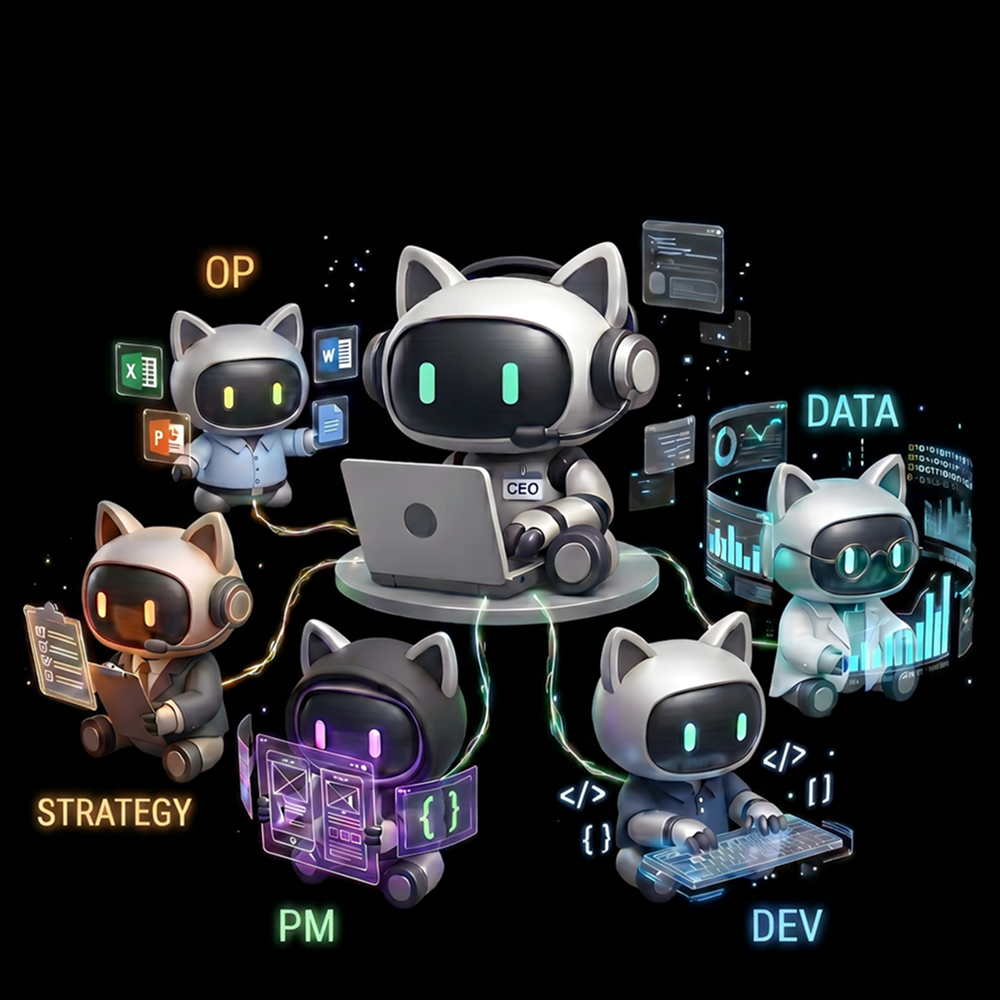
WorkBuddy를 marketing team이 몇 줄의 copy나 headline variation을 만드는 AI로만 보면 너무 얕습니다.
Tencent Cloud의 AI Marketing White Paper 1.0, 관련 developer-community 분석, 공개 WorkBuddy product page를 함께 읽으면, 중요한 것은 desktop assistant 자체만이 아닙니다. 그 뒤의 Tencent AI marketing and agent stack이 실제 MarTech infrastructure layer처럼 보이기 시작했다는 점입니다.
여기서 말하는 것은 white paper의 모든 고객이 같은 WorkBuddy front-end를 직접 쓴다는 뜻이 아닙니다. 더 정확히는 WorkBuddy 주변의 Tencent AI, agent, workflow capability가 실제 marketing production environment에 들어가기 시작했다는 뜻입니다.
The short conclusion first
- 2026년 6월 29일 기준 공개 자료에서 Tencent AI marketing and agent stack은 네 가지 track으로 읽을 수 있습니다.
- AI + creative: image generation, video generation, asset review, asset management
- AI + reach: programmatic advertising, live-stream/social distribution, intelligent outbound calling
- AI + data: attribution, audience profiling, real-time data insight
- AI + operations:
CRM / SCRM, private-channel conversation analysis, AI customer service
- 공개 자료에는
16benchmark cases, video upscaling에서720p를1080p로 올리며50%+cost reduction,200 billion+daily ad requests,30%+cost reduction, common questions의80%automatic interception, AI customer-service reply accuracy85%+, outbound-calling에서 약300msfirst-token latency와1.5s미만 end-to-end latency가 등장합니다.
Why I think this looks more like a MarTech agent stack than a content tool
마케팅에서 비싼 것은 copy 하나가 아닙니다. creative production, media delivery, audience data, attribution, CRM operations, customer service가 서로 끊어져 있는 것이 비쌉니다.
WorkBuddy가 중요해 보이는 이유는 문장 생성보다 이 끊어진 chain에 agent workflow를 넣는 entry surface가 될 수 있기 때문입니다.
The most important public anchor: Tencent Cloud's AI Marketing White Paper lays out the chain directly
1. AI + Creative
creative layer에서는 image/video generation뿐 아니라 asset review, version management, 소재 재사용, campaign 단위 production flow가 문제입니다. 공개 자료의 50%+ cost reduction과 upscaling signal은 단순한 "AI 이미지 생성"보다 production에 가깝습니다.
2. AI + Reach
reach layer는 광고를 집행하는 것만이 아닙니다. programmatic advertising에서는 엄청난 request를 처리하고, milliseconds 단위로 decision을 내리고, budget과 audience를 조정합니다. 200 billion+ daily ad requests는 이 층이 작은 marketing tool이 아니라 infrastructure에 가깝다는 신호입니다.
3. AI + Data
attribution과 data insight는 marketing team이 예산을 어떻게 쓸지 결정하는 곳입니다. AI가 creative만 만들 수 있어도 어떤 channel, audience, message가 효과가 있었는지 보지 못하면 MarTech stack이 되기 어렵습니다.
4. AI + Operations
operation layer에는 CRM / SCRM, private-channel conversation, customer service, follow-up이 들어갑니다. 공개 자료의 80% interception과 85%+ reply accuracy는 marketing이 campaign에서 끝나지 않고 고객 접점의 장기 운영으로 들어간다는 뜻입니다.
Scenario 1: creative production is not just about making assets, it is about pushing content-factory costs down
creative production의 현실은 이미지 한 장이 아니라 많은 variant, review, format conversion, brand consistency, channel별 조정입니다. AI가 가치 있는 곳은 생성 그 자체보다 content factory 전체 단가를 낮출 때입니다.
Scenario 2: the reach layer is already far beyond "placing ads" and looks more like billion-scale request handling plus millisecond decisions
공개 자료의 광고 전달 이야기는 단순 ad placement가 아닙니다. 대량 request, ranking, pricing, audience, inventory, risk를 짧은 시간 안에 처리하는 운영입니다. 여기서 AI는 copywriter가 아니라 decision layer의 일부입니다.
Scenario 3: live-stream, social, and outbound-calling cases show that "reach" is already multi-channel, not just one ad slot
live-stream, social distribution, outbound calling이 같은 문맥에 들어오면 reach는 하나의 ad slot이 아니라 multi-channel customer contact가 됩니다. AI는 소재, script, response, follow-up을 넘나들어야 합니다.
Scenario 4: attribution and data insight are where marketing teams actually decide how to spend budget
예산 판단은 어떤 creative가 좋아 보이는지만으로 결정되지 않습니다. attribution, conversion, audience quality, channel ROI, customer journey를 봐야 합니다. AI가 이 층에 들어가면 marketing operation 전체 의사결정에 영향을 줍니다.
Scenario 5: AI + operations is already moving into CRM, SCRM, private-channel ops, and support
CRM과 SCRM은 화려하지 않지만 장기 매출에 중요합니다. private-channel conversation analysis와 AI customer service는 campaign에서 얻은 접점을 유지하고, 문의를 처리하고, repurchase와 follow-up으로 연결합니다.
Why this is related to WorkBuddy instead of "some other cloud product"
WorkBuddy는 단독 marketing engine이 아닙니다. 하지만 Tencent의 agent workspace, enterprise connector, knowledge workflow, multi-expert capability의 entry surface로 보면 marketing stack과 연결되는 이유가 보입니다.
실무에서는 creative, data, CRM, document, mail, meeting, approval이 분리돼 있습니다. WorkBuddy형 agent workspace는 이 분리된 작업을 인간의 daily workflow로 되돌리는 표면이 될 수 있습니다.
Which teams should study this route first
- creative production cost가 높은 marketing team
- programmatic advertising이나 large-scale reach를 운영하는 기업
- attribution, audience insight, budget allocation에 문제가 있는 팀
CRM / SCRM, private-channel ops, AI customer service를 운영하는 조직- WorkBuddy를 단순 copy tool이 아니라 workflow agent로 평가하려는 팀
My final view
이 route를 한 문장으로 줄이면 이렇습니다.
WorkBuddy 관련 AI marketing story에서 중요한 것은 AI가 marketing copy를 쓴다는 점이 아닙니다. creative, reach, data, operations가 하나의 MarTech agent stack처럼 연결되기 시작했다는 점입니다.
이는 단순 content tool보다 큰 이야기입니다. 광고비, 고객 접점, CRM, service cost, reporting을 함께 봐야 합니다.
FAQ
Is this article saying that the customers in the white paper are all directly using the WorkBuddy front end?
아닙니다. 더 정확한 주장은 이 사례들이 WorkBuddy 주변 Tencent AI marketing and agent route가 어떤 marketing production environment에 들어갔는지를 보여준다는 것입니다.
What are the main tracks in Tencent's AI Marketing White Paper?
AI + creativeAI + reachAI + dataAI + operations
What are the strongest public quantitative signals in this route?
16 benchmark cases, 50%+ cost reduction, 200 billion+ daily ad requests, 30%+ cost reduction, 80% interception, 85%+ AI customer-service reply accuracy 등이 있습니다.
Why is this route more worth studying than "AI can write marketing copy"?
비싼 것은 copy 한 조각이 아니라 traffic cost, attribution delay, private-channel analysis, CRM / SCRM, customer-service cost이기 때문입니다.