Tencent WorkBuddy MarTech事例レビュー: Creative Ops、広告配信、attribution、CRM自動化がAI marketing stackへ収束する理由
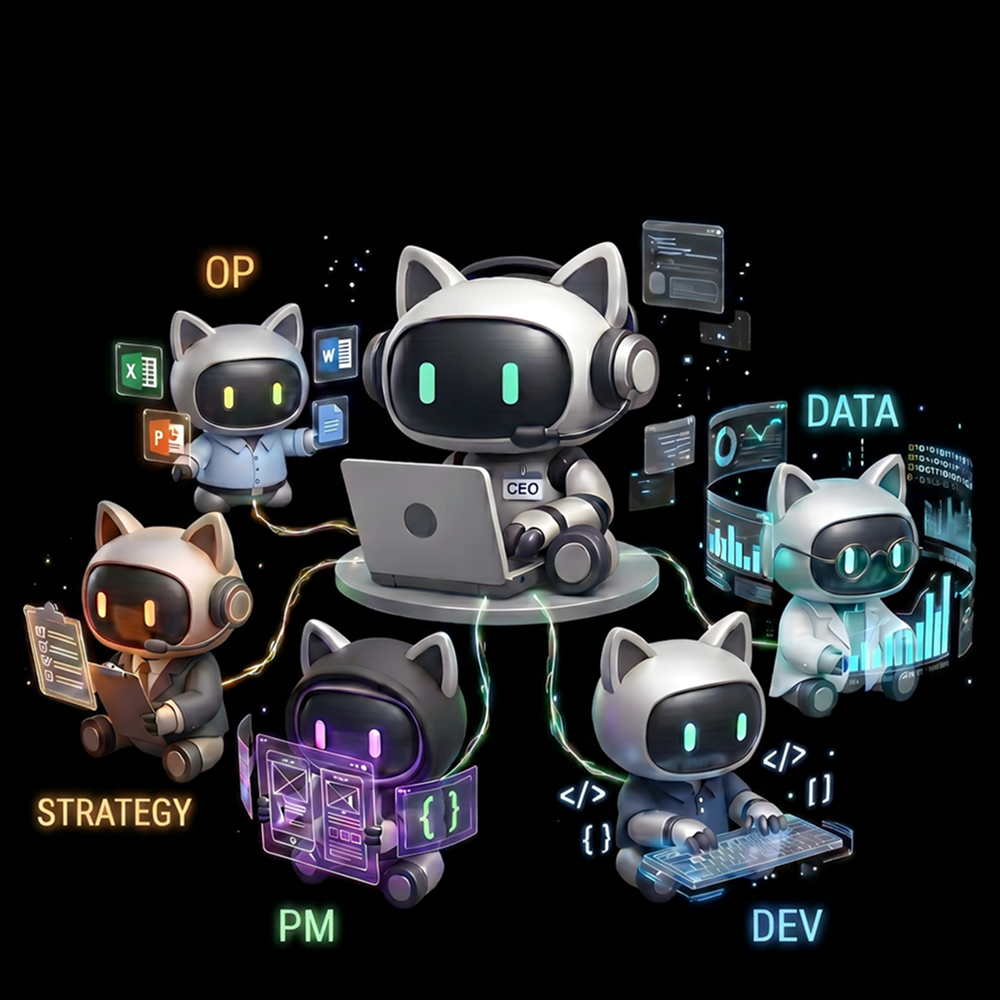
WorkBuddyを、marketing teamが数行のcopyやheadline variationを作るためのAIだと見ると浅いです。
Tencent CloudのAI Marketing White Paper 1.0、関連developer-community解説、公開WorkBuddy product pageを合わせて読むと、より重要なのはdesktop assistantそのものではありません。その背後にあるTencent AI marketing and agent stackが、かなり現実的なMarTech infrastructure layerに近づいている点です。
ここでの主張は、white paperに出る全顧客が同じWorkBuddy front-endを直接使っている、という意味ではありません。より正確には、WorkBuddy周辺のTencent AI、agent、workflow能力が、実際のmarketing production environmentに入り始めているということです。
The short conclusion first
- 2026年6月29日時点で、公開資料上のTencent AI marketing and agent stackは4つのtrackに分けて読めます。
- AI + creative: image generation、video generation、asset review、asset management
- AI + reach: programmatic advertising、live-stream/social distribution、intelligent outbound calling
- AI + data: attribution、audience profiling、real-time data insight
- AI + operations:
CRM / SCRM、private-channel conversation analysis、AI customer service
- 公開資料には、
16benchmark cases、video upscalingで720pから1080pへ上げつつ**50%+cost reduction**、200 billion+daily ad requests、30%+cost reduction、common questionsの**80%automatic interception**、AI customer-service reply accuracy85%+、outbound-callingで約**300msfirst-token latencyと1.5s未満**のend-to-end latencyなどが出ています。
Why I think this looks more like a MarTech agent stack than a content tool
マーケティングで高いのは、一つのcopyではありません。creative production、media delivery、audience data、attribution、CRM運用、customer serviceが分断されることです。
WorkBuddyが重要に見えるのは、文章生成より、この分断されたchainへagent workflowを入れる入口になりうるからです。
The most important public anchor: Tencent Cloud's AI Marketing White Paper lays out the chain directly
1. AI + Creative
creative layerでは、画像生成や動画生成だけでなく、asset review、version管理、素材再利用、campaign単位のproduction flowが問題になります。公開資料の50%+ cost reductionやupscaling signalは、単なる「AIで画像を作る」よりproduction寄りです。
2. AI + Reach
reach layerは広告を出すだけではありません。programmatic advertisingでは、膨大なrequestを処理し、millisecondsでdecisionを行い、budgetとaudienceを調整します。200 billion+ daily ad requestsという数字は、この層が小さなmarketing toolではなくinfrastructureに近いことを示します。
3. AI + Data
attributionとdata insightは、marketing teamが予算をどう使うかを決める場所です。AIがcreativeだけを作れても、どのchannel、どのaudience、どのmessageが効いたかを見られなければMarTech stackにはなりません。
4. AI + Operations
operation layerでは、CRM / SCRM、private-channel会話、customer service、follow-upが入ります。公開資料の**80% interceptionや85%+ reply accuracy**は、marketingがcampaignで終わらず、顧客接点の継続運用に入っていることを示します。
Scenario 1: creative production is not just about making assets, it is about pushing content-factory costs down
creative productionの現実は、1枚の画像ではなく大量のvariant、review、format変換、brand consistency、media channelごとの調整です。AIが効くのは、生成そのものよりcontent factory全体の単価を下げるときです。
Scenario 2: the reach layer is already far beyond "placing ads" and looks more like billion-scale request handling plus millisecond decisions
公開資料に出る広告配信の話は、simple ad placementではありません。大量requestを受け、ranking、pricing、audience、inventory、riskを短時間で処理する運用です。ここではAIはcopywriterではなくdecision layerの一部になります。
Scenario 3: live-stream, social, and outbound-calling cases show that "reach" is already multi-channel, not just one ad slot
live-stream、social distribution、outbound callingが同じ文脈に入ると、reachは一つの広告枠ではなくmulti-channel customer contactになります。AIは素材生成、話法、response、follow-upをまたいで動く必要があります。
Scenario 4: attribution and data insight are where marketing teams actually decide how to spend budget
予算判断は、どのcreativeが良いかだけでは決まりません。attribution、conversion、audience quality、channel ROI、customer journeyを見て決まります。AIがこの層に入ると、marketing operation全体の意思決定に影響します。
Scenario 5: AI + operations is already moving into CRM, SCRM, private-channel ops, and support
CRMやSCRMは地味ですが、長期的な売上には重要です。private-channel conversation analysisやAI customer serviceは、campaignで獲得した接点を維持し、問い合わせを処理し、再購入やfollow-upへつなげます。
Why this is related to WorkBuddy instead of "some other cloud product"
WorkBuddyは単体のmarketing engineではありません。しかし、Tencentのagent workspace、enterprise connector、knowledge workflow、multi-expert capabilityの入口として見ると、marketing stackとつながる理由が見えます。
実務では、creative、data、CRM、document、mail、meeting、approvalが分断されます。WorkBuddy型のagent workspaceは、この分断された作業を人間のdaily workflowへ戻す表面になりえます。
Which teams should study this route first
- creative production costが高いmarketing team
- programmatic advertisingやlarge-scale reachを運用する企業
- attribution、audience insight、budget allocationに課題があるチーム
CRM / SCRM、private-channel ops、AI customer serviceを持つ組織- WorkBuddyを単なるcopy toolではなくworkflow agentとして評価したいチーム
My final view
このrouteを一文でまとめるならこうです。
WorkBuddy関連のAI marketing storyで重要なのは、AIがmarketing copyを書けることではありません。creative、reach、data、operationsが一つのMarTech agent stackとしてつながり始めていることです。
これは単なるcontent toolより大きい話です。広告費、顧客接点、CRM、service cost、reportingをまとめて見る必要があります。
FAQ
Is this article saying that the customers in the white paper are all directly using the WorkBuddy front end?
いいえ。より正確には、これらの事例はWorkBuddy周辺のTencent AI marketing and agent routeが、どのmarketing production environmentに入っているかを示しています。
What are the main tracks in Tencent's AI Marketing White Paper?
AI + creativeAI + reachAI + dataAI + operations
What are the strongest public quantitative signals in this route?
16 benchmark cases、50%+ cost reduction、200 billion+ daily ad requests、30%+ cost reduction、80% interception、85%+ AI customer-service reply accuracyなどです。
Why is this route more worth studying than "AI can write marketing copy"?
高いのはcopy一つではなく、traffic cost、attribution delay、private-channel analysis、CRM / SCRM、customer-service costだからです。