WorkBuddy for Media Production: What Tencent's Public Case Studies Really Show About Agent Teams, Fast-Turn Content, and Editorial Operations
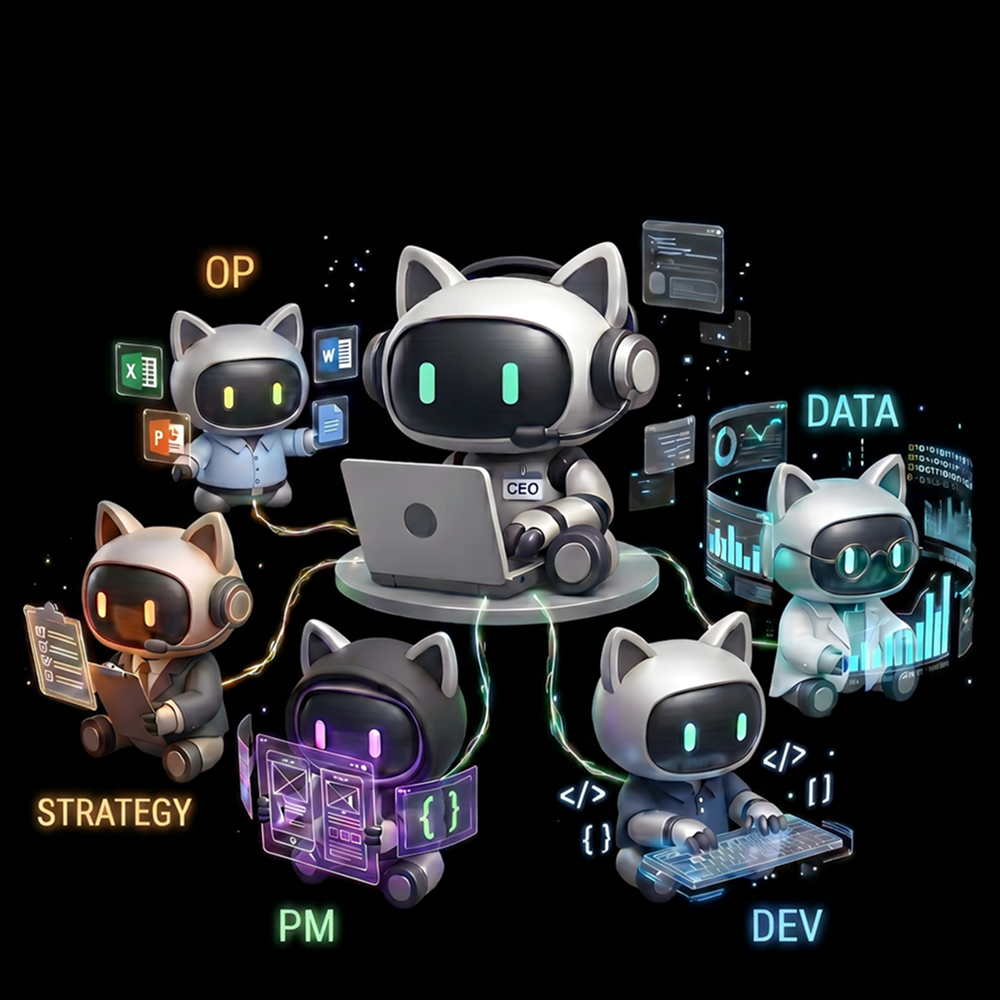
If you reduce WorkBuddy to "an AI that helps editors draft copy," you will miss the more interesting part of the story.
I pulled together three public sources for this review:
- Tencent Cloud Developer Community: AI Agent Improves Efficiency in the Media Industry: Tencent Cloud WorkBuddy Delivers 75x Faster Information Processing
- Tencent Cloud Developer Community: Tencent Cloud WorkBuddy: Rebuilding Media Production Flow and Organizational Flexibility With AI Agent Clusters
- The public
WorkBuddyproduct page
After reading them side by side, the most important takeaway is this:
The interesting part is not whether WorkBuddy can write. It is that the public case materials position it as a schedulable network of digital workers for recurring media tasks.
One boundary is worth stating clearly before going further:
This does not mean every newsroom, sports publisher, or media company is using the same WorkBuddy front end or the same operating flow.
A more accurate reading is:
These public case studies show how Tencent is framing WorkBuddy, AI agents, and workspace-style orchestration inside scenarios that look a lot like real media production environments.
The Short Verdict
- As of June 29, 2026, the public material suggests three standout WorkBuddy use cases in media:
- Policy analysis, topic monitoring, and intelligence work
- Content production plus multi-channel distribution
- Human-led coordination of agent teams
- The strongest public numbers in the case materials include:
- 38,000 characters across 3 source files for policy analysis
- A workflow reportedly cut from 2.5 hours to 2 minutes
- A reported 75x efficiency gain
- 4 policy files and 50,000+ characters for deep research
- A workflow reportedly reduced from 1 to 2 weeks to 15 minutes
- A reported 50x+ gain
- Monitoring across 15+ information sources
- A workflow reportedly reduced from 3 hours per day to 8 minutes
- A reported 22x gain
- A dedicated workspace created for a
P0hot topic in 40 seconds - A complex highlight video target of 3 minutes
- Warm-pool resources available in 5 seconds
- Cold-pool resources starting in 30 seconds
- If you care about media monitoring, policy tracking, sports or breaking-news production, multi-platform publishing, content review, or operational flexibility, these case studies are far more useful than a generic "AI helps content teams" article.
Why Media Teams Are a Good Test for Agent Clusters
The hard part in media is rarely just "writing faster." The harder part is that:
- News windows can be measured in minutes
- One topic may need to become an article, short video, poster, and podcast
- Review, publishing, scheduling, and asset retrieval all have to move together
- During major events or public-interest spikes, adding more people does not always solve the bottleneck
In practice, the biggest drag is usually not one task. It is:
the coordination friction between sourcing, editing, review, publishing, distribution, and on-call coverage.
That is why the more valuable AI question here is not whether the system feels human. It is whether it can:
- split work across specialists
- share context across a workspace
- react at minute-level speed
- free humans up for editorial judgment and sign-off
Case 1: 75x Policy Analysis Is More About Deliverables Than Summaries
The first Tencent Cloud article is useful because it describes the workflow in concrete terms instead of stopping at product language.
One of the clearest public examples is:
- policy analysis
- 38,000 characters from 3 PDF files
- a traditional workflow of 2.5 hours
WorkBuddycompleting the synthesis in 2 minutes- a generated 7-page PPT
- source-linked viewpoints in the final output
That matters because it suggests the system is not being framed as "read and summarize." The workflow is closer to:
- ingest documents
- compare and synthesize them
- produce a presentation-ready deliverable
That is a real research and editorial pattern, not just a chat prompt demo.
Case 2: From 1-2 Weeks to 15 Minutes Looks More Like a Research Assistant Than a Writing Assistant
The same public article also describes a deeper research scenario:
- 4 policy files
- 50,000+ characters
- a traditional research cycle of 1 to 2 weeks
WorkBuddygenerating a full research report andPPTframework in 15 minutes- a claimed 50x+ efficiency improvement
That is valuable because the task is no longer "write an article." It is:
building a research structure, extracting the core logic, and producing a briefing format quickly from raw source material.
That kind of work favors systems that can:
- search
- read
- organize
- package the result into a research deliverable
So the positioning here is closer to a research assistant than a copy helper.
Case 3: Media Monitoring and Trend Tracking Move Beyond Manual Watchlists
The public material also gives a set of numbers that many editorial operations teams will immediately understand:
- monitoring across 15+ information sources
- a traditional workflow of 3 hours per day
WorkBuddyat 8 minutes- a claimed 22x improvement
- coverage across 7 major hot topics
- automated briefing output
The significance is not just saved time. It suggests WorkBuddy is trying to cover:
- multi-source collection
- trend clustering
- briefing generation
That is a much heavier operational target than "browse a few pages faster." It touches the full chain of:
collect -> judge -> organize -> publish into a usable output
Case 4: The Most Important Shift Is Not One Editor Working Faster, but Humans Directing an Agent Team
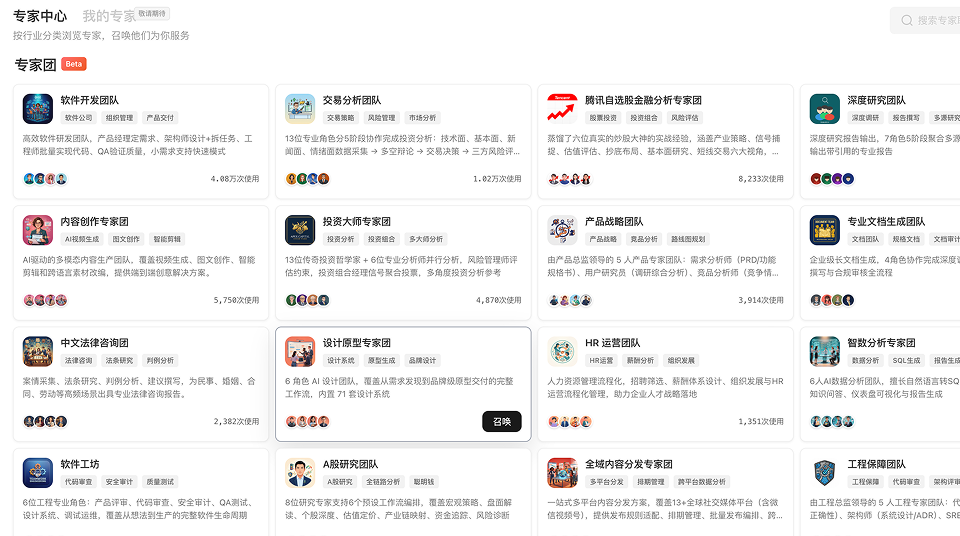
The second Tencent Cloud article becomes more interesting when it moves from personal productivity to organizational flexibility.
Its public framing is straightforward:
- traditional human-to-human coordination is becoming a media bottleneck
- hot-topic reaction windows are measured in minutes
- one sports
IPcan require short video, written coverage, posters, and podcasts - during major events and
7x24coverage, simply adding headcount is not enough
The real point is this:
the problem is no longer whether one person works quickly. It is whether the organization can keep producing during demand spikes.
The "Personal Assistant + Virtual Employees" Model Is the Most Important Concept in the Article
The article describes a two-layer structure:
Personal assistant layer
- deployed locally for the user
- interprets human intent
- keeps memory across multiple sessions
- dispatches the right virtual employee team
- monitors progress and filters results
Virtual employee layer
- hosted in cloud sandboxes
- activated by role and capability
- shares state inside a workspace
- executes specific tasks
In plain terms, the system is being framed less as "talking to one AI" and more as:
an editor, producer, or operator directing a team of digital workers.
Case 5: 40 Seconds to Launch a Workspace and 3 Minutes to Produce a Highlight Package
The second article includes two metrics that feel closer to production realities than typical AI marketing claims:
- for a
P0hot-topic task, a personal assistant can interpret intent and create a dedicated workspace in 40 seconds - for a complex video highlight task, multi-agent collaboration is expected to reduce turnaround to 3 minutes
These numbers matter because they are not about answer quality in the abstract. They are about:
- how fast the workflow starts
- whether content production actually becomes minute-level
For sports media, breaking news, or entertainment trend teams, that is the operational layer that matters.
Case 6: The 5-Second Warm Pool and 30-Second Cold Pool Point to Scheduling, Not Just Generation
Another detail in the article matters from an infrastructure perspective:
- warm-pool resources available in 5 seconds
- cold-pool resources starting in 30 seconds
- resources released immediately after the task completes
That suggests WorkBuddy is being presented not only as a content tool, but as a system that also thinks about:
how resources get scheduled when many tasks land at once.
That matters in enterprise settings because big spikes are not constant, but they do show up at critical moments.
The Most Realistic Production Scene in the Public Case: Humans Define, Direct, and Approve
The sports-event scenario described in the article is especially telling:
- a goal is scored and a highlight package needs to go live fast
- the system automatically spins up:
1planning agent2editing agents1review agent1operations agent
- the planning agent prepares copy
- the editing agents pull from the media asset library
- the review agent handles rule-based checks
- the operations agent takes over release strategy
The meaningful shift here is that:
human value moves away from manually doing every step and toward defining the task, directing the process, and approving the result.
That is one of the clearest ways AI agents could reshape media work first.
Which Teams Should Look at This First
Teams that should evaluate this now
- media organizations, content factories, and sports-content teams
- teams that constantly track trends, policy, public sentiment, or competitors
- teams with pressure to publish in multiple formats across multiple channels
- organizations that want to split editing, review, and operations into schedulable workflows
Teams that can wait
- teams with low content volume and no fast-turn production pressure
- teams without hot-topic windows
- teams that do not need multi-platform or multi-format distribution yet
If You Want to Build a Similar Workflow Yourself
If your real question is how to connect trend monitoring, policy analysis, briefing generation, review steps, or fast-turn media production into your own stack, start with:
The more useful lens is not memorizing one upstream product name. It is understanding:
- model capability
- agent workflow design
- the document, search, review, and publishing chain
- cost and resource scheduling
inside one operating model.
Final Take
If I had to reduce this review to one sentence, it would be this:
The most important thing about these public WorkBuddy media-production cases is not that the system can write content. It is that the case studies place it inside the hardest part of media operations: minute-level response, agent-team coordination, multi-format production, and organizational flexibility.
If that model works in practice, the upgrade is not just "better content efficiency." It is a shift from:
people making every asset by hand
to
people directing a network of digital workers.
That said, the public numbers in this article come from the cited case studies themselves. They should be read as case-specific claims, not as a universal promise for every media team or every WorkBuddy deployment.